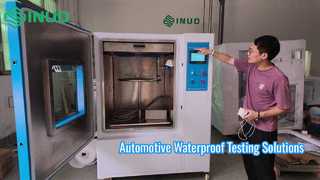
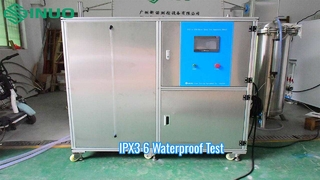
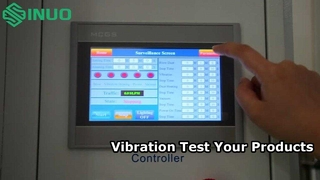
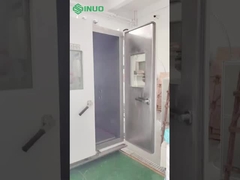
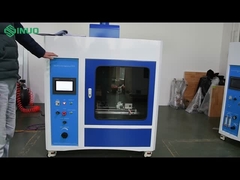
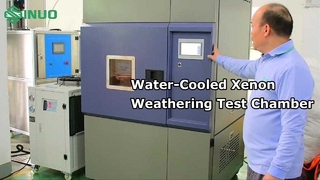
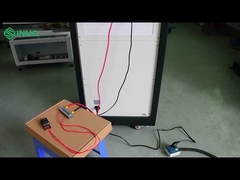
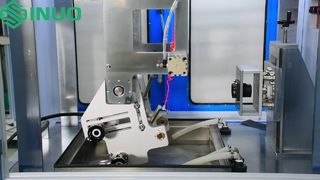
Brief: Explore what sets this solution apart in an easy-to-follow presentation. This video demonstrates the IPX5 and IPX6 handheld hose nozzle test equipment in action, showing you how it verifies the waterproofing of electronic and electrical products according to IEC 60529 standards. You'll see the equipment setup, the water jet application process, and how it assesses protection against powerful water jets from all directions.
Related Product Features:
Tests for both IPX5 and IPX6 protection levels as per IEC 60529 standards.
Features two nozzle models with internal diameters of 6.3mm and 12.5mm for different test requirements.
Adjustable flow meters allow precise control of water delivery rates at 12.5±0.625L/min and 100±5 L/min.
Maintains consistent test distance of 2.5-3 meters from nozzle to enclosure surface.
Produces defined water stream patterns with 40mm and 120mm diameter cores at standard distance.
Configurable with flexible hoses and rotameters for enhanced testing flexibility.
Suitable for testing electrical products, automotive parts, household appliances, and outdoor lighting.
Operates in controlled environments with specific temperature, humidity, and pressure conditions.
FAQs:
What standards does this handheld hose nozzle testing equipment comply with?
The equipment is manufactured according to IEC 60529:2013 'Degrees of protection provided by enclosure (IP code)' specifically for IPX5 and IPX6 testing requirements.
What types of products can be tested using this equipment?
It's designed for testing electrical and electronic products, automobiles, motorcycle parts, communication products, household appliances, outdoor lighting, and signal devices to verify their protective performance against water jets.
What are the key technical differences between the SN447-1 and SN447-2 models?
The SN447-1 model has a 6.3mm nozzle diameter with 12.5±0.625L/min flow rate, while the SN447-2 has a 12.5mm nozzle diameter with 100±5 L/min flow rate, catering to different IPX5 and IPX6 testing requirements respectively.
What are the environmental requirements for operating this testing equipment?
The equipment requires a controlled environment with temperature 15-35°C, relative humidity 25%-75%, atmospheric pressure 86-106kpa, proper lighting, waterproof leakage protection, flat ground, and good water intake/drainage systems using clean water with filtration.